Expert Penetration Testing Services



Tell us about your penetration testing needs
What It Solves:
- Exposes real-world attack paths hackers could use to move laterally and reach critical assets.
- Identifies misconfigurations, weak controls, and insecure defaults that scanners often miss.
- Reduces uncertainty for leadership by turning “Are we secure?” into concrete, evidence-based answers.
- Supports compliance and customer confidence by proving you test and harden your environment.
What We Provide:
- Attacker-style penetration tests across networks, applications, cloud, and external perimeter.
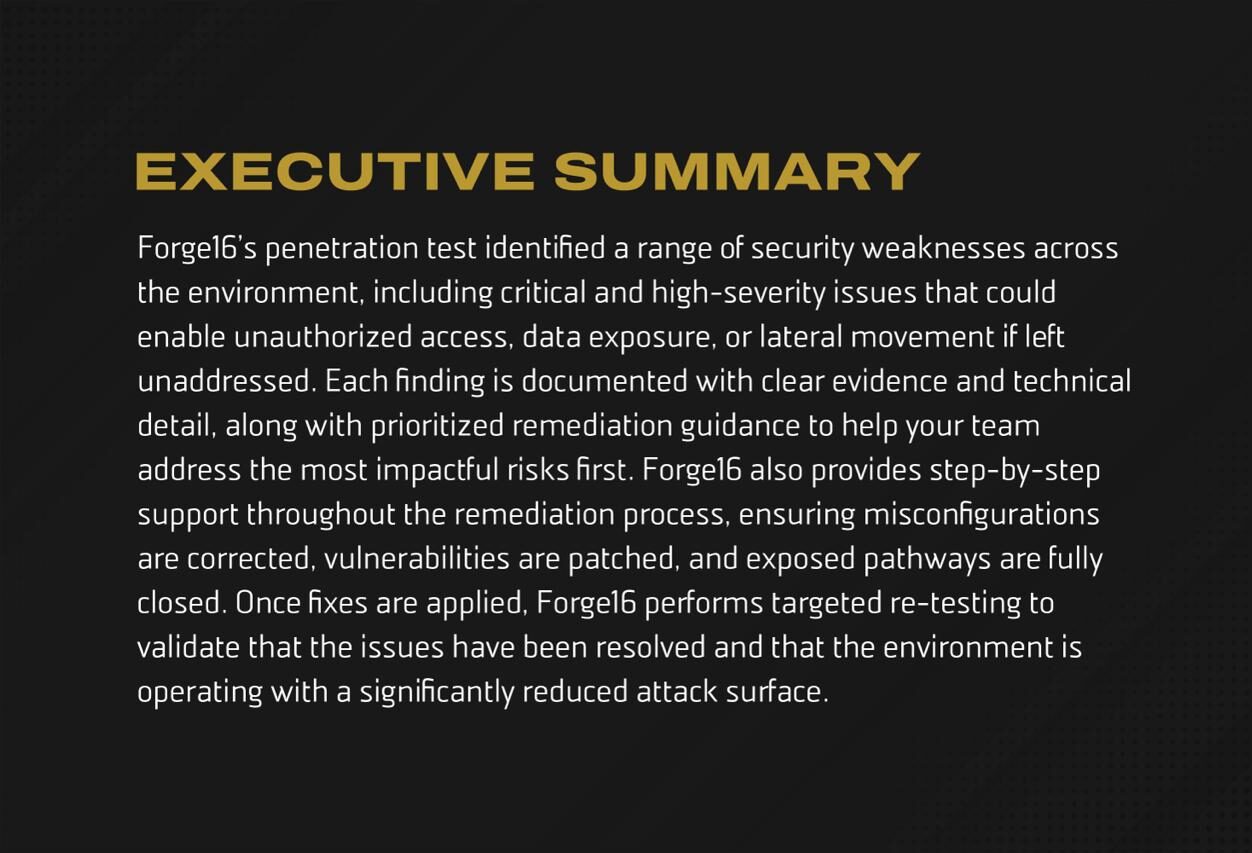
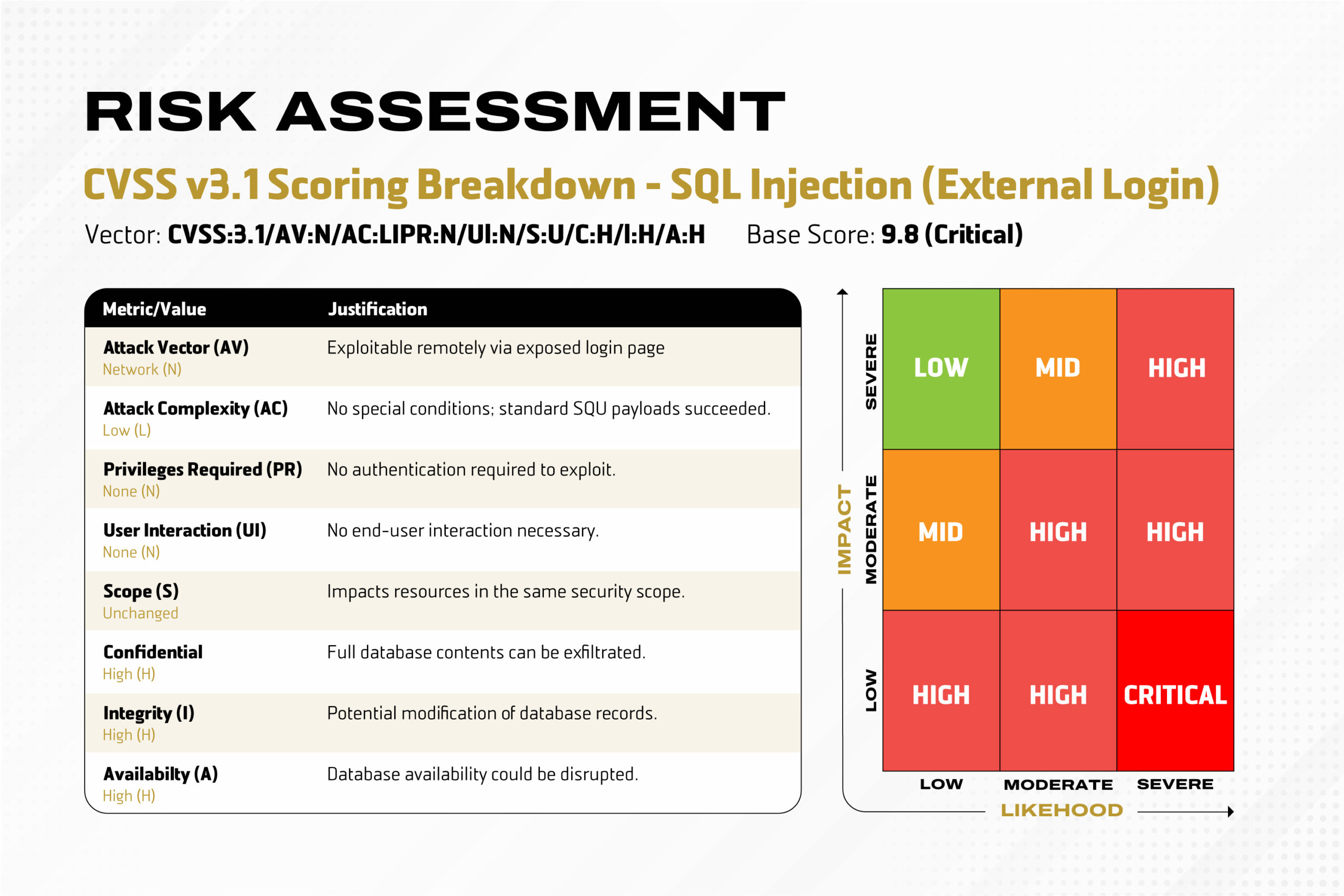
- Clear, prioritized reports that show findings by real-world risk and business impact.
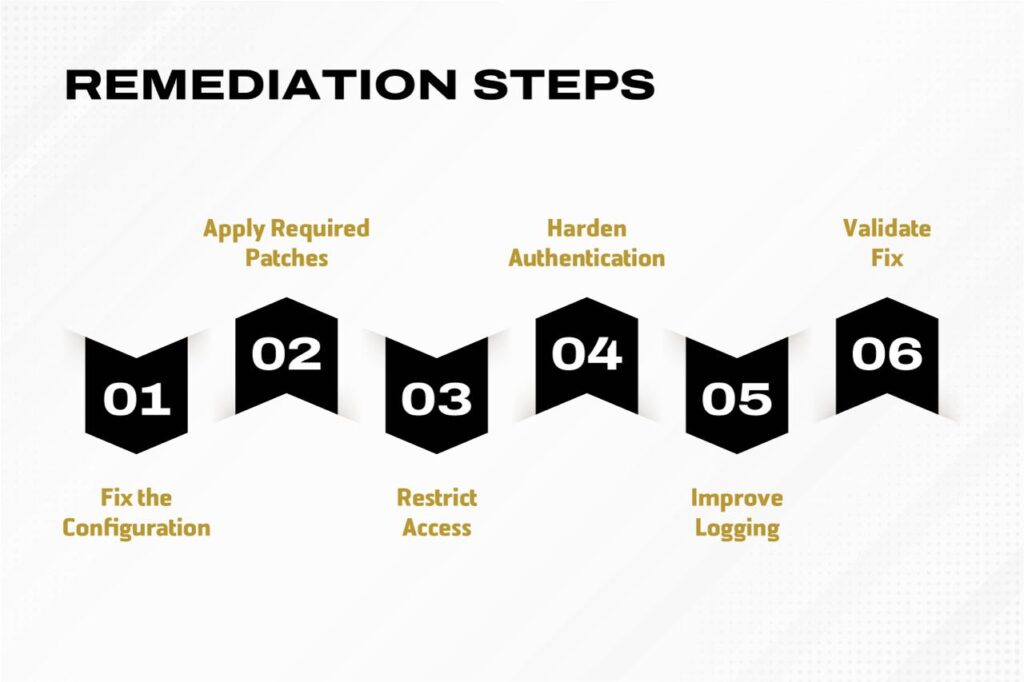
- Concrete remediation guidance with specific configuration changes, hardening steps, and playbook updates.
- Retesting to validate fixes and demonstrate measurable improvement over time.
What is penetration testing?
Penetration testing is far more than vulnerability scanning and noisy reports. It simulates real world attacks using the same techniques hackers use to break into systems. Our team uncovers what those attackers would find and validates what can actually be exploited. The goal is to identify weaknesses before attackers do, giving you a clear picture of your true risk and a practical path to strengthen your security. We focus on real, exploitable issues, not theoretical findings.
Web Application
Penetration Testing
Evaluates your web applications for real world attack paths such as injection flaws, broken authentication, and logic issues that could allow unauthorized access or data exposure. Includes authenticated and unauthenticated testing as well as full API testing.
Client-side Application
Penetration Testing
Assesses desktop applications for weaknesses in business logic, data handling, privilege controls, and interactions with the underlying system. Includes macOS, Windows, and Linux applications.
External Network
Penetration Testing
Tests your public facing infrastructure from the perspective of an external attacker, identifying exploitable entry points such as vulnerable services, configuration issues, and exposed assets.
Network Segmentation
Penetration Testing
Validates whether your segmentation controls effectively prevent lateral movement and restrict access between network zones. Includes confirmation of non CDE to CDE isolation.
Internal Network
Penetration Testing
Simulates an attacker with internal access, such as a compromised workstation or rogue device, to identify privilege escalation paths, lateral movement opportunities, and internal vulnerabilities.
Mobile Application
Penetration Testing
Assesses mobile applications for security issues in authentication, data storage, network communication, and platform specific risks. Includes testing for both iOS and Android.
Cloud Technology
Testing
Evaluates cloud environments and services for misconfigurations, excessive permissions, exposed assets, and weaknesses in identity and access controls that attackers could exploit.
Compliance-Driven Penetration Testing
HIPAA Penetration Testing
What you get:
Who this is for
What we test
- External and internal network infrastructure with access to ePHI
- Web applications and portals, including patient-facing systems and EHR integrations
- Authentication controls, session handling, and privilege escalation paths
- Network segmentation between clinical and administrative systems
- Cloud environments and third-party integrations storing or accessing PHI
SOC 2 Pen Testing
What you get:
Who this is for
What we test
- External perimeter and publicly exposed infrastructure
- Internal network access controls and lateral movement paths
- Web applications and APIs handling customer data
- Cloud environments including IAM configurations, storage permissions, and exposed services
- Authentication mechanisms and access provisioning controls
PCI DSS Penetration Testing
What you get:
Who this is for
What we test
- External penetration testing of systems in scope for PCI DSS
- Internal penetration testing simulating an attacker with network access
- Network segmentation validation confirming non-CDE systems cannot reach the CDE
- Web applications involved in payment processing, including authenticated and unauthenticated paths
- API security for payment integrations and transaction flows
Penetration Testing by Industry
Healthcare
Common focus areas
- EHR and patient portal security
- ePHI data flow and access control validation
- Medical device and IoT network segmentation
- Third-party integration and API security
Financial Services
Common focus areas
- Web application and client portal penetration testing
- PCI DSS scoped network and segmentation testing
- Internal network and privilege escalation testing
- Cloud environment and IAM configuration review
SaaS
Common focus areas
- Web application and API penetration testing
- Cloud environment misconfiguration and IAM testing
- Multi-tenant isolation and data segregation validation
- Authentication and session management testing
Expert Remediation Support
Why Choose Us?

Expert team
Our team consists of OSCP
certified pen testers.

24/7 Support
Our team is available around the clock so you get fast answers and guidance whenever security issues arise

Tailored Scope
We tailor the engagement scope and pricing to your environment and budget so you only pay for what you truly need.

Actionable Results
We emulate real attackers and validate what’s truly exploitable, giving you clear, prioritized fixes instead of noisy reports.